
Drug overdose is one of the leading causes of death for people ages 18-45. Nearly 110,000 people have died due to drug overdose in the last year, making August 31st, Overdose Awareness Day, more important than ever.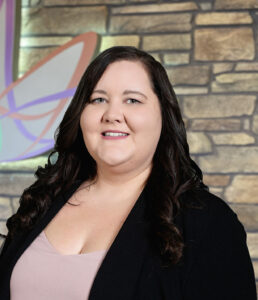
“Overdose is something everyone should be aware of,” shared Recovery Center Director, Taya Vonnahme, MSN, RN, ARNP, CADC. “Not only is overdose a concern in the addiction world but also in general practice. We see overdoses all the time for various reasons – alcohol, opiates, and drug related. Some are unintentional from prescription pain medications that were accidentally taken incorrectly.”
The Recovery Center is dedicated to raising awareness of drug overdose and helping prevent future deaths caused by an overdose.
“Everyone should educate themselves on the signs of a possible overdose and know what to do if it is suspected,” Vonnahme recommended.
Typical signs of an overdose can include one or several of the following:
- Unconsciousness
- Seizure
- Severe headache
- Chest pain
- Breathing difficulties
- Extremely paranoid, agitated, and/or confused
- Snoring or gurgling
Seek emergency help by calling 911 if someone is exhibiting these symptoms. Prior to emergency personnel arriving, follow these steps:
- Administer *Naloxone if available
- Support breathing by ensuring their airway is clear and giving breaths
- Monitor their response
- Do not forcefully try to awake them
- Don’t try to make them vomit
When help arrives, it is vital to provide as much information as possible about the overdose. Details such as what type of drug and how much was taken and how long ago it was taken can help save a life.
“One of the best things I have seen that can assist someone who has overdosed is Naloxone,” Vonnahme said. “It saves lives every day and anyone can learn how to use it. It is also available to anyone who may need it no matter the reason. If you know someone who uses any type of opiate, prescription, or recreational drug they should know about this and learn how to use it.”
*Naloxone is a non-addictive, life-saving medication that can reverse an opioid overdose. Given as a nasal spray, auto-injector, or injectable, naloxone can be purchased from most pharmacies without a prescription. If you or someone you know is at increased risk for opioid overdose, you should carry naloxone and keep it at home. People who are taking high-dose opioid medications (>50 morphine milligram equivalents per day) prescribed by a doctor and people who use opioids and benzodiazepines together should also carry naloxone, according to the CDC.
Recovery Center Services
If you or someone you care about has problems with substance abuse, help is available. The sooner a person can get help, the better the long-term chance for recovery. If you feel that you need help or guidance, contact the Recovery Center at (712) 655-2300.
The Recovery Center is a 16-bed, co-ed chemical dependency facility located in Manning. Services include detoxification, residential treatment, outpatient treatment and consultations or evaluations. Recovery Center staff have adapted treatments to meet addiction issues, from alcoholism to meth to the abuse of prescription painkillers. For four decades, staff have helped clients take their first step toward healthy, drug and alcohol-free lifestyles. For more information, visit www.manningrecoverycenter.com.