

In a significant development for Iowa, influential lawmakers are turning their attention to the critical needs of behavioral health across Iowa, particularly in rural areas where access to comprehensive services and reimbursements remain a challenge. Recent visits from prominent figures underscore a renewed commitment to addressing the root causes of substance abuse and promoting mental health support in communities throughout the state.
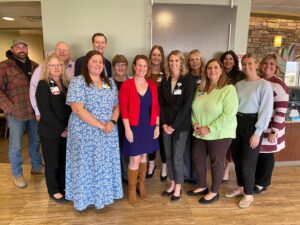 On National Rural Health Day (November 16th), Iowa Health and Human Services Director, Kelly Garcia, and State Epidemiologist, Dr. Robert Kruse, visited MRHC and the Recovery Center. Their presence underscored the critical need for integrated behavioral health services, with a focus on mental health and substance abuse. Engaging with healthcare professionals, community leaders, and the hospital’s board and senior leadership team, Director Garcia and Dr. Kruse discussed collaborative solutions to improve statewide healthcare and to also address the unique needs of rural communities.
During her visit to Manning on September 12th, Iowa Attorney General Brenna Bird highlighted the importance of tailoring initiatives to the unique challenges faced by these areas stating, “Rural communities often encounter barriers in accessing quality healthcare and addiction treatment services. The opioid settlement funds are one-time funds that could provide an opportunity to bridge those gaps and make a lasting impact on the lives of those affected by opioid addiction in our rural communities.” 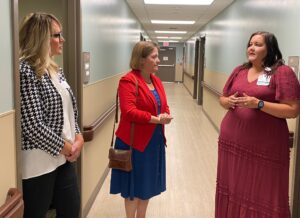
Earlier this year, agreements were reached with manufacturers, distributors, and pharmacies to provide nearly $50 billion in payments for state and local governments across the nation. Funding was distributed to each state, and in Iowa a portion of those funds were distributed to each county for the county supervisors to disperse locally. The rest of the funds are currently held at the state level with the anticipation that lawmakers will determine appropriations in the next legislative session.
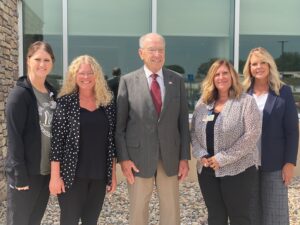 Senator Charles Grassley as well as Republican presidential candidate and North Dakota Governor, Doug Burgum, accompanied by his wife, Kathryn, also visited MRHC earlier this fall to gain a better understanding of the healthcare needs affecting rural areas and the unique position of MRHC and the Recovery Center.
These visits provided lawmakers with a firsthand look at the Recovery Center’s efforts to support residential and outpatient recovering addicts. MRHC, serving as a model for rural healthcare services, became a platform for discussions on comprehensive strategies to address behavioral health challenges, reimbursements, and access to care in rural Iowa.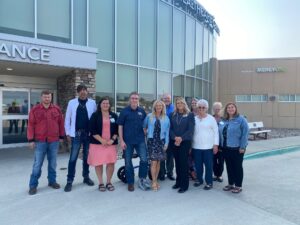
Director Garcia emphasized the importance of addressing behavioral health needs, stating, “By understanding the challenges faced by the communities across our state, utilizing research-based methodologies, and taking a comprehensive approach to address the most critical health needs, we can develop targeted and effective strategies to improve our overall health outcomes.”
These visits reflect a broader, bipartisan commitment to address rural healthcare challenges in a unified and strategic way. This holistic approach starts with a grassroots understanding of the challeng es affecting rural hospitals accompanied by discussions to adjust policies at the state and federal levels. These collaborations reflect an aligned dedication to build healthier and more resilient commun ities across the state.
As Iowa takes a significant stride forward in the battle against opioid addiction, the opioid settlements stand as a beacon of hope for rural communities. MRHC Administration and the leadership of the Recovery Center are taking this opportunity to educate local county supervisors as well as statewide leaders to better understand the services that already exist, their vision for addressing this epidemic, and the potential for MRHC and the Recovery Center to serve even more clients and their families.