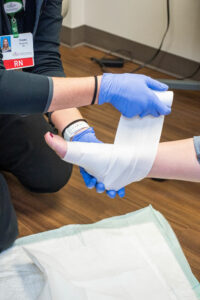

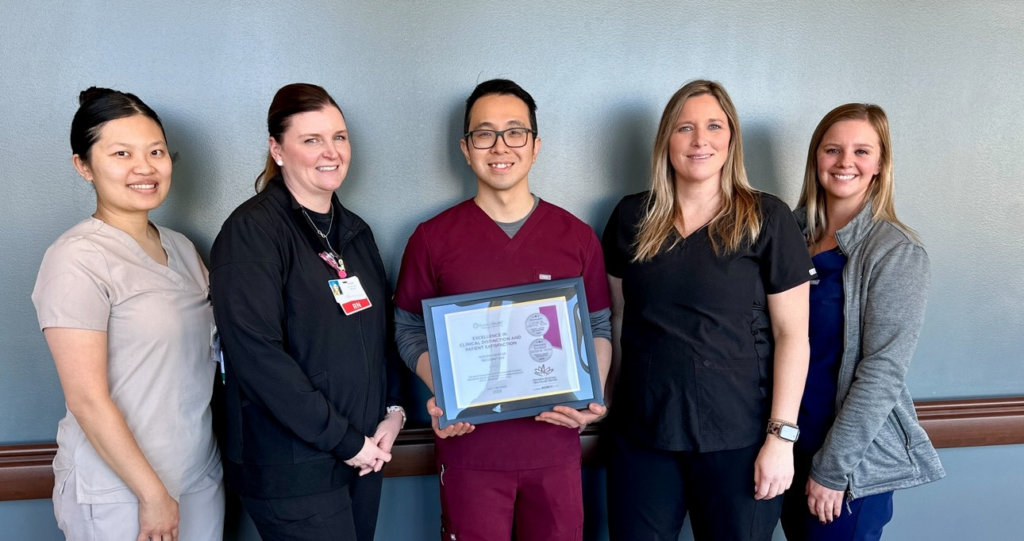
In 2023, the Wound Care Clinic at MRHC achieved a patient satisfaction rate of 98.7%, a wound healing rate of 100%, and successfully healed a total of 81 wounds throughout the year. In recognition of these achievements, MRHC is pleased to announce that the Wound Care Clinic is a dual recipient of RestorixHealth’s Clinical Distinction and Excellence in Patient Satisfaction Awards. Recipients of these awards meet or exceed national quality benchmarks over a set period of time.
“The Wound Care Clinic is proud to be recognized again for not only its dedication to healing but also its dedication to patient satisfaction,” said Dr. Thang Luong, M.D. “We are proud to be a recipient of awards that recognize our staff’s hard work and dedication.”
RestorixHealth’s Clinical Distinction Award recognizes wound centers that have demonstrated exceptional success by meeting or exceeding national healing benchmarks, including a 90% healing rate. The Excellence in Patient Satisfaction Award recognizes wound centers that have demonstrated superior performance in overall patient satisfaction by meeting or exceeding a national patient satisfaction benchmark of 96%. The MRHC Wound Care Clinic has now received this dual award five times in addition to a Center of Excellence award in 2019.
The Wound Care Clinic is dedicated to optimizing outcomes and preventing lower limb loss in patients with non-healing wounds. The approach to wound care is aggressive and comprehensive, coordinating traditional and advanced therapies and techniques that are proven to reduce healing time and improve healing rates.
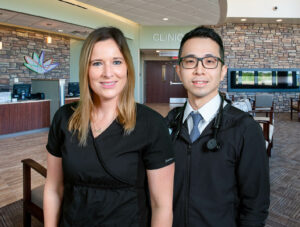
Manning’s clinic is staffed by Dr. Thang Luong, Kendra Tiefenthaler, RN, and supported by Elaine Macumber, RN, and Crisentia Blazek, RN, BSN. Integrating a team of wound care professionals optimizes patient care, while offering the most advanced healing options for hard-to-heal wounds.
The MRHC Wound Care Clinic is held every Thursday. For more information about treatment plans or to schedule an appointment, please call 712-655-8100.
About RestorixHealth
Committed to excellence in wound care, RestorixHealth is the wound care solutions company providing programs, services, products, and education across the care continuum. From developing and operating wound centers in partnership with hospitals, through supporting long-term care facilities with education and supplies, to providing in-home care, RestorixHealth’s solutions increase access to care, reduce hospital admissions, lower or avoid direct care costs, and most importantly, improve patient outcomes and quality of life. For more information, visit www.RestorixHealth.com.

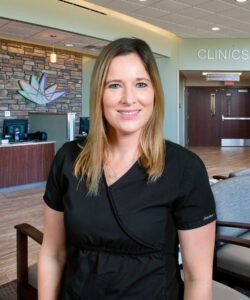

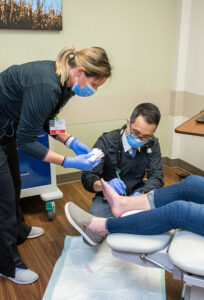 “I’m so thankful I was able to go to MRHC for wound care since it’s located in my hometown,” said Manning resident, Jeanne Kerkhoff. “I was immediately impressed by Kendra’s genuine concern for my care, her efforts to get answers and help me, along with Dr. Luong’s attention and ongoing wound care treatment. The best thing about the care I received was their genuine care and advocacy,” she shared.