Exceptional Skilled Nursing Care at MRHC

skilled nursing

The decision between a nursing home and skilled care often weighs heavily on the minds of families seeking the best possible support for their loved ones. At MRHC, skilled care isn’t just an alternative—it’s a transformative solution that offers a path to recovery and independence, all within a community people have come to know, love, and trust.

MRHC’s skilled nursing program offers care for all ages following major joint procedures, strokes, colostomies, IV antibiotics, post-surgery recovery, chronic illness management, therapeutic interventions, and other post-acute services. Care is designed to cater to individuals requiring specialized medical attention and rehabilitation services to help them return to daily living. It can also help patients learn to live with heart conditions, respiratory problems, nutrition/metabolic disorders, and wound care.

“We strive to support individuals in reclaiming their well-being and vitality,” shared Chief Nursing Officer Michelle Andersen, RN, BSN. “Our mission is centered around providing comprehensive services aimed at facilitating the journey back to optimal health, all within a patient-centric environment that prioritizes the patient and their specific needs.”

The skilled nursing program consists of 24-hour care and supervision by nurses and clinic physicians; physical, occupational, or speech therapy; infection control; and nutritional assessment and management. Additional skilled services include education and monitoring for a variety of health conditions.

At the core of MRHC’s approach to skilled care is a multidisciplinary team of nurses, therapists, physicians, and support staff who work collaboratively to deliver comprehensive care. The skilled nursing staff possess the expertise and dedication necessary to ensure each patient receives personalized care tailored to their unique needs. The skilled nursing team conducts a thorough assessment to understand each patient’s medical history, current condition, and specific goals. This personalized approach ensures that care is tailored to meet the distinct needs and preferences of each individual, optimizing outcomes and promoting a sense of empowerment and autonomy.

The skilled nursing staff not only provide clinical support but also offer emotional support, encouragement, and reassurance to patients and their families during challenging times.

“Our goal is to provide a relaxing environment to aid in the emotional well-being of each patient,” said Andersen.

Admission to MRHC skilled care services is by direct provider referral after a three-day stay in an acute care facility. Patients can be admitted immediately or within 30 days after an acute care stay. Discharge planning begins on admission to MRHC skilled care, and individualized goals are established with the patient, their family, and medical providers. Patients participate in a weekly care conference with family members and the patient’s multidisciplinary care team at MRHC.

If you or a loved one require skilled care services after an acute hospital stay, call (712) 655-2072 for more information.

John Hansen Making a Difference Behind the Scenes at MRHC

John Hansen

John HansenJohn Hansen’s career path is one rooted in family influence and a willingness to embrace a challenge. Despite a background in factory work, John decided to follow in his father’s footsteps and give the maintenance field a try. His decision turned out to be a rewarding one, and he found a true passion for the work at MRHC.

“I never saw myself working in a hospital, but I figured I would give it a try and am really glad I did,” John shared.

Starting as a maintenance tech in February of 2020, John would quickly grow into a leadership role just a year later, becoming the department supervisor in April of 2021. With the work he does and the impact he makes at MRHC, it is no question that non-clinical roles play a vital role in ensuring smooth functioning of healthcare facilities. While a job in maintenance might not be at the forefront of patient care, John emphasizes the importance of his role in keeping everyone comfortable during their stay at MRHC. From ensuring the functionality of facilities to addressing maintenance issues promptly, John’s work contributes significantly to the overall patient experience.

“MRHC is so fortunate to have John. He is knowledgeable in so many different areas, digs into whatever needs fixing, and tries to figure things out on his own,” said Chief Human Resources Officer, Shelli Lorenzen. “John quickly fell into a management role and absolutely owned it. We couldn’t ask for a more dedicated employee. He knows what needs to be done and he does it, even if that means spending the entire weekend at MRHC to move snow so the ambulances can always get to the ER.”

In addition to making a positive impact on patients and helping his coworkers whenever possible, John appreciates the flexibility and support that he has at the hospital. Trust also plays a crucial role in fostering a positive work experience, and John attests that the administrative staff at MRHC trusts him implicitly. Something that is key to a productive and positive workplace.

“MRHC is very family oriented, and I know that when a family issue arises, I can go without question,” he shared. “Dan’s food is just an added bonus to working here.”

John’s journey at MRHC exemplifies the potential for growth and fulfillment in non-clinical roles within the healthcare industry. From his family-inspired career choice to the impact he makes on patient well-being, John’s story is a testament to the diverse and essential roles that contribute to the success of a healthcare institution like MRHC.

To join the MRHC team, click here or call (712) 655-2072 for more information.

Recovery Center Works to Prevent Overdose Deaths

overdose

Drug overdose is one of the leading causes of death for people ages 18-45. Nearly 110,000 people have died due to drug overdose in the last year, making August 31st, Overdose Awareness Day, more important than ever.taya vonnahme

“Overdose is something everyone should be aware of,” shared Recovery Center Director, Taya Vonnahme, MSN, RN, ARNP, CADC. “Not only is overdose a concern in the addiction world but also in general practice. We see overdoses all the time for various reasons – alcohol, opiates, and drug related. Some are unintentional from prescription pain medications that were accidentally taken incorrectly.”

The Recovery Center is dedicated to raising awareness of drug overdose and helping prevent future deaths caused by an overdose.

“Everyone should educate themselves on the signs of a possible overdose and know what to do if it is suspected,” Vonnahme recommended.

Typical signs of an overdose can include one or several of the following:

  • Unconsciousness
  • Seizure
  • Severe headache
  • Chest pain
  • Breathing difficulties
  • Extremely paranoid, agitated, and/or confused
  • Snoring or gurgling

Seek emergency help by calling 911 if someone is exhibiting these symptoms. Prior to emergency personnel arriving, follow these steps:

  • Administer *Naloxone if available
  • Support breathing by ensuring their airway is clear and giving breaths
  • Monitor their response
  • Do not forcefully try to awake them
  • Don’t try to make them vomit

When help arrives, it is vital to provide as much information as possible about the overdose. Details such as what type of drug and how much was taken and how long ago it was taken can help save a life.

“One of the best things I have seen that can assist someone who has overdosed is Naloxone,” Vonnahme said. “It saves lives every day and anyone can learn how to use it. It is also available to anyone who may need it no matter the reason. If you know someone who uses any type of opiate, prescription, or recreational drug they should know about this and learn how to use it.”

*Naloxone is a non-addictive, life-saving medication that can reverse an opioid overdose. Given as a nasal spray, auto-injector, or injectable, naloxone can be purchased from most pharmacies without a prescription. If you or someone you know is at increased risk for opioid overdose, you should carry naloxone and keep it at home. People who are taking high-dose opioid medications (>50 morphine milligram equivalents per day) prescribed by a doctor and people who use opioids and benzodiazepines together should also carry naloxone, according to the CDC.

Recovery Center Services

If you or someone you care about has problems with substance abuse, help is available. The sooner a person can get help, the better the long-term chance for recovery. If you feel that you need help or guidance, contact the Recovery Center at (712) 655-2300.

The Recovery Center is a 16-bed, co-ed chemical dependency facility located in Manning. Services include detoxification, residential treatment, outpatient treatment and consultations or evaluations. Recovery Center staff have adapted treatments to meet addiction issues, from alcoholism to meth to the abuse of prescription painkillers. For four decades, staff have helped clients take their first step toward healthy, drug and alcohol-free lifestyles. For more information, visit www.manningrecoverycenter.com.

MRHC Welcomes Dedicated Mental Health Provider, Hollie Schechinger

Hollie Schechinger

Hollie SchechingerTo address one of the primary health concerns affecting our rural communities, MRHC is expanding mental health services. Hollie Schechinger, a counselor in the Recovery Center at MRHC, will now be a designated mental health provider offering services in Manning three days a week for those 12 and older starting July 1st, 2023.

“My new position will help expand the availability of mental health services for everyone,” said Schechinger, LMSW. “I will be able to help people in Manning and surrounding communities get the help they need. Mental health services in this area are difficult to get as there are long waiting lists so people struggle to get appointments. My hope is to provide support for people who are just waiting for help.”

In addition to providing mental health services for the general community, Schechinger will also continue working with Recovery Center inpatient clients two days a week.

“I will be providing mental health therapy by using a wide variety of interventions and therapy models,” Schechinger said. “I am very excited about this opportunity and building the availability of mental health services in Manning. I hope we can spread awareness of mental health and the importance of not hiding it. I want to bring more access to mental health services so that those who are staying quiet about their mental health problems can speak out about them.”

Mental health care has always been important to Schechinger, and she is hopeful that her new role will help those in need and change the stigma surrounding mental health.

“I have always wanted to work in healthcare in some way. During high school when we took those career quizzes, I always got therapist. I just have a passion for helping people,” Schechinger shared. “I found that social work would be a great way to help others in the healthcare setting, so after getting my social work feet wet working with troubled youth at Quakerdale in Manning, I really realized how important mental health is. Many people still see mental health as being taboo, but I want people to understand that mental health impacts everyone in multiple ways. That is when I realized I wanted to focus on helping others in mental health.”

A 2009 Coon Rapids-Bayard graduate, Schechinger received a social work degree from Briar Cliff University in 2013. After working at Quakerdale, she worked in the Recovery Center for almost five years before going into Home Health with Carroll Area Nursing Services. She then returned to school to get her master’s in social work with a focus in mental health and trauma from the University of Denver.

“After finishing my degree, I realized I really missed providing therapy, so when a position opened at the Recovery Center, I decided to take it,” said Schechinger. “I spoke with the Director, Taya Vonnahme, about wanting to improve access to mental health services in this community, and she ran with the idea. The amazing administration team at MRHC came together and we came up with the plan of adding a full-time mental health therapist. Having an administration that will help us achieve our career goals is amazing. They really care and want you to succeed. I wanted to expand mental health services, and now less than a year later I am already working on making that goal reality.”

“Hollie is very passionate about helping our community in more ways than we already do,” said Vonnahme, MSN, RN, ARNP, CADC. “She has been working with the Recovery Center in Manning for years, and when she came back, she made it clear that as much as she loves substance abuse that she wanted to do more. I knew we had a great opportunity to provide additional services to our patients and community, so we are very excited to expand mental health services here in Manning.”

In addition to feeling supported in her career goals, Schechinger shares that working at MRHC is fulfilling in other ways as well.

“Working at MRHC is almost like having another family,” Schechinger shared. “I believe it speaks volumes that I worked here for 4.5 years and eventually decided to come back. We are very team-oriented, close with one another, and help each other out. Everyone is very encouraging and helpful in many ways even if they don’t work in the same department. We are all here to work together to help ensure patient safety and needs are met.”

To schedule a mental health appointment, call (712) 655-8100. Referrals are not needed. If you need additional mental health information, education, or would like to discuss support, please contact your primary care physician at (712) 655-2072. For those 65 and older, call Senior Life Solutions at (712) 655-8262. Or call the Manning Recovery Center at (712) 655-2300 and talk to a professional.

Bruce Named Outstanding Employee at MRHC

George Bruce

George BruceGeorge Bruce, IT Specialist at Manning Regional Healthcare Center (MRHC), was recognized for his exceptional performance and growth in his job and received the 2023 MRHC Outstanding Employee Award on May 10th. Bruce was nominated for the award by several of his co-workers who all agreed he not only meets but exceeds the criteria for this award.

The Outstanding Employee Award recognizes an MRHC employee who consistently performs a high quality of work and extra duties beyond those normally assigned, demonstrates a willingness to work with others and assist whenever needed, has a positive attitude, displays exceptional dependability, and creates a positive work environment. Characteristics that Bruce undeniably possesses, making him a popular nomination and an easy choice for the award.

In a nomination letter, one of Bruce’s co-workers commented that, “George is extremely passionate about his job and ensures that MRHC not only has a safe network but that users can access and do their work efficiently. He has gone above and beyond in the number of projects he has helped to implement in the time he has been here. We are so much safer and better off with him. I don’t know what we would do without George!”

Another co-worker commented that, “everyone at MRHC knows his laugh, and he’s built positive, collaborative relationships with employees all throughout the facility. I think most, if not all, would say that if George is working on their IT problem, they can expect a resolution. He continually puts in time outside of his core hours (evenings and weekends) and he is always there and available. There are so many technical things George has impacted that most employees don’t see or know about.”

In addition to assisting with technical needs and problem-solving for fellow co-workers, Bruce has also played an integral role in helping MRHC seamlessly introduce a new electronic health record system earlier this year.

“George’s technical knowledge is unmatched by anyone I’ve ever worked with and that shows in his quality of work,” said a fellow co-worker. “He has been instrumental in our EMR conversion, often serving as the subject matter expert for technologies, vendors, equipment, and systems that we don’t even own.”

Several of Bruce’s co-workers also shared how his personality, dependability, and commitment to MRHC make him the best choice for the Outstanding Employee Award.

“George is extremely dependable when it comes to finding answers or solving problems and he works tirelessly until he finds solutions for his peers,” a co-worker wrote. “He puts others’ wants and needs above his own and is always willing to lend a helping hand where needed. If there is a problem, he will not only fix it but go above and beyond to research how to prevent it from happening in the future. He is super knowledgeable, very approachable, and always willing to help. We are so lucky to have George at MRHC!”

Linn Block Recognized as Top Rural Hospital CEO to Know

Linn Block, MRHC CEO

Becker’s Hospital Review recently named its “80 rural hospital CEOs to know”, which included seven Iowa hospital CEOs. The list highlights CEOs who have developed models that ensure their rural hospitals are thriving despite the financial hardships health care organizations face.

Among those highlighted is Manning Regional Healthcare Center’s (MRHC) CEO, Linn Block, BN, BSN, MHA. The article states, “Ms. Block established and implemented an effective strategic plan that shifted the organization’s focus to patient safety, quality care, and team engagement. She advocates at the state and national level for rural healthcare and led a capital campaign that raised nearly $1 million to renovate the obstetrics wing at her hospital. Her efforts have also helped MRHC earn a prestigious Press Ganey Guardian of Excellence Award for Employee Engagement.” Linn Block, MRHC CEO

“Rural hospitals are critical to the success of the U.S. healthcare system to expand access to care in remote areas. CEOs at the helm of these important community institutions have many responsibilities to make sure their hospitals thrive,” the review shared. “The executives featured on this list have put their heart and soul into ensuring their communities have access to the best healthcare services possible. While rural hospitals across the country have faced closure in recent years, these leaders have developed a model for not only surviving but thriving.”

Although Block has only held the MRHC CEO position for three years, she served in a variety of nursing positions prior, most recently serving as MRHC’s Chief Nursing Officer for four years. Block’s guidance to the senior leadership and all management teams provided conscientious efforts to completely transform the culture of the organization, making it one of the top performing rural hospitals in the MercyOne Network across numerous metrics.

When it comes to leadership style, Block’s approach is different than many hospital CEO’s. She operates a very flat organization where employees are empowered to find opportunities to improve daily and provide the best patient experience whether their position is patient-facing or not.

Block’s Accomplishments at MRHC

Block has developed numerous partnerships with affiliate healthcare organizations to provide ongoing specialty services in Manning. In collaboration with St. Anthony Regional Hospital, she is facilitating the smooth transition to a new electronic health record system that will improve patient transparency and access to care, a project that has been in the works for more than two years.

Most notably, Block identified an opportunity to make better use of the unused maternity rooms which resulted in a local capital campaign, Project Forward. These efforts resulted in nearly $1 million donated to MRHC over the past year. Significant legacy donations continue to be made to the organization based on the positive impact the hospital is having on the four-county area.

“Rural healthcare reimbursement continues to be a challenge, but Linn has advocated for funding at the local, state, and federal levels,” said MRHC’s CFO, Amy McLaughlin, CPA, CHFP. “Her efforts have helped to increase Medicaid reimbursement, increase cash reserves, decrease the percentage of write-offs, and reduce the average days in AR. She challenges staff to think creatively to track down reimbursements, keep expenditures reasonable, and produce a bottom line in the black.”

Block has also garnered respect among her peers in neighboring communities and hospitals across the state, as well as MRHC employees, community members, and patients.

“Linn can often be seen in the hallways asking how an employee’s day is going, talking to a patient to ensure they receive the care they deserve, or grabbing a coffee and talking with community members,” said CNO, Michelle Andersen, RN, BSN.

Block excels in community engagement by being visible in the community, serving in leadership capacities for local and industry organizations such as Manning Rotary and encourages employees to contribute to community causes such as boy scouts, upcoming events, the Manning Community Chest, the giving tree, Hillside splash, the public library, and more.

Employees have also shared the following about her: “Linn has brought fun and laughter into the workplace while supporting family-first values. We spend more hours a day with our co-workers than we do with our families, so we need to laugh and care for one another as family. This has definitely improved our culture and employee engagement”, “Linn is a very approachable leader and employees are comfortable talking with her about issues”, and “Linn is never afraid to say she doesn’t know something. She is very quick to say she will find out and she does.”

Not only is Block’s financial performance high and ability to connect with people impressive, nearly all MRHC departments have seen growth over the past three years under her leadership. Specialty clinic volumes have increased, same-day appointments were added in the family practice clinic, and most recently, the substance abuse recovery center has exceeded 95% capacity monthly.

“Patient satisfaction is at an all-time high with nearly 100% of patients sharing that they would recommend MRHC to others and many providing written and verbal testimonials of their care,” shared Director of Quality, Patient Advocacy & Risk Management, Jackie Blackwell, RN, BSN, CPHQ.

“I credit the incredible team of staff, providers, community members, and our board of directors for the successes MRHC has enjoyed,” shared Block. “They are always ‘all in’ in their commitment to the growth and impact of MRHC.”

Congratulations to Linn Block for receiving this deserving award and for her dedication to Manning Regional Healthcare Center, our communities, and patients.

MRHC Contributes to Community Beyond Healthcare

MRHC exterior

As a non-profit, critical access hospital, the mission and purpose of Manning Regional Healthcare Center (MRHC) is to serve those in the local community and provide a public benefit. Quality healthcare has a large community and economic impact, and it is essential for attracting other industries. Hospitals are generally among the largest employers. They offer highly educated, well-paying jobs and physicians are essential to maintaining operations.

“In addition to providing healthcare through the services we offer, we also provide widespread benefits to support our community,” said Chief Executive Officer, Linn Block, RN, BSN, MHA.

Community Impact

MRHC offers a variety of community education events, trainings, and clinics such as CPR, AED & First Aid training classes, blood drives, monthly wellness clinics, blood pressure clinics, concussion testing at the high school, and walk-in flu shot clinics. They also hold and participate in educational events, such as the Bike Rodeo, babysitting courses, Suicide Prevention Walk, Live Healthy Iowa Healthiest State Walk, Senior Fun Day, and Medicare Enrollment. Many of these efforts have a direct impact on the local economy and overall community health.

Most notably, MRHC held a Healthcare Career Camp for IKM-Manning middle and high school students to have an immersive experience learning about a variety of careers available within healthcare. This effort was recently funded by a University of Iowa grant to continue the program for more students and expand the offering to additional school districts.

“We are proud to share that in the past three years, we have provided nearly $100,000 in donations and community health improvement services to benefit our local communities,” shared Block.

MRHC has also supported foundations such as the IKM-Manning Education Foundation, West Central Iowa Healthcare Foundation, American Cancer Society, as well as community organizations such as Little Hawks Childcare Center, Manning Child Care Center, IKM-Manning Color Run, Kinderfest, Trail to Nowhere Bike Ride, Pack the Pantry, Fireman’s Golf Tourney, Main Street Manning, Manning Chamber, Manning Hausbarn Heritage Park, Manning Rotary, and Boy Scouts of America.

Last year, Manning Regional provided $98,873 in charity care and served more than 50 people through those efforts. Charity care is also known as uncompensated health care, which is provided for free, or at a reduced cost, to people with limited income who would otherwise be unable to pay for their treatment. Various types of financial assistance is provided to patients, and community education events and important information about health and well-being are shared through radio ads, news articles, social media, and the MRHC website.

Economic Impact

Economic impact of an organization is often measured in terms of employment, income (payroll and benefits), taxable retail sales and sales tax collections. According to the Iowa Hospital Association, during the most recent reporting period (2022), Manning Regional Healthcare Center provided 160 jobs representing more than $7 million in direct payroll income and an indirect $11.4 million impact on the local economy. The health sector and the employees in the health sector purchase many goods and services from local businesses which are referred to as secondary (or indirect) impacts to the economy.

“We are grateful to be able to make such an impact on our local communities,” said Block. “It takes all aspects of a community working together to be vibrant and strong.”

MRHC Helps Individuals Live at Home Longer with Occupational Therapy

aging in place

90% of older adults want to stay in their homes as they age. Occupational therapy at MRHC can help promote aging in place to help individuals live, work, and play more independently. Therapy treatments can help with aging in place by promoting independence and safety to make activities of daily living more doable.

Aging in place refers to an individual making a conscious decision to live in the residence of their choice for as long as they can with the comforts that are important to them. As they age, adding supplementary services to facilitate their living conditions and maintain their quality of life may be necessary. These could include assistance with personal care, household chores, making meals, money management, or health care.

Family members should consider the following questions when determining the best course of action for an aging adult:

  • What is the ideal way for them to spend their retired years?
  • What type of home environment do you see them living in – individual, community, assisted?
  • What special health care requirements are needed or anticipated?
  • What other types of supplementary services are needed?
  • What options are available in case of emergencies, life changing events, accidents, etc.?

MRHC Occupational Therapists remind individuals that aging in place does not mean that you need to do everything yourself. You can choose to do as little or as much as you want, can, and are capable of.

Occupational therapy at MRHC is available for people of all ages who need specialized assistance to lead independent, productive, and satisfying lives. Services can promote independence and aging in place by assisting with the following:

  • Getting around (adaptive devices: cane, walker, wheelchair)
  • Safety concerns and fall prevention
  • Home modifications (grab bars, lighting, and toilet risers)
  • Cooking
  • Laundry
  • Showering
  • Shopping
  • Medications
  • Cognition and memory
  • Muscle strengthening
  • Balance.

A doctor’s referral is required to be seen by an occupational therapist.

In addition to occupational therapy, MRHC provides a variety of other services to help community members live at home longer. Physical therapy is beneficial for those who are suffering from an injury, recovering from surgery, or dealing with any sort of acute or chronic pain. Senior Life Solutions offers an outpatient group counseling program to meet unique needs of adults over 65 struggling with depression and anxiety, often related to aging. Residential and outpatient medical care, behavioral therapy, and social support to enable a healthy lifestyle free from drugs and alcohol is available through the Recovery Center.

If you or a loved one would benefit from services that enable you to live at home longer, schedule an appointment with your primary care provider at MRHC by calling (712) 655-8100. To learn more about occupational therapy services, click here.

February is American Heart Month: Be Heart Healthy

heart attack signs

Dr. UlvelingHeart attack and cardiac arrest are two topics that have been in the news lately and are critical things to discuss relative to heart health. Manning Regional Healthcare Center sat down with Dr. Kyle Ulveling, the hospital’s visiting Cardiologist in the specialty clinic to learn more.

“A heart attack and cardiac arrest are different diagnoses with two very different treatments,” said Ulveling, MD. “A heart attack is when there is not enough blood flow to the heart. The warning signs are typically exertional chest pain or other exertional symptoms like jaw, arm, or teeth pain. It typically will get worse with activity and better with rest. If you have any of these signs don’t wait until it’s so bad that you don’t think you can complete an activity. Get checked out right away either by your primary care provider, an urgent care, or at the ER if it is severe.”

Other common warning signs of a heart attack can include:

  • Fullness, indigestion, or a choking feeling
  • Sweating, vomiting, or dizziness
  • Severe weakness, anxiety, fatigue, or shortness of breath
  • Fast or uneven heartbeat

“Cardiac arrest is not necessarily a blockage problem of the heart, it’s where the heart has gone out of rhythm and is either too slow or too fast, not getting enough blood to the body. This is treated with things like CPR, shocks from either an AED, or in the hospital from a defibrillator,” Ulveling said. “One of the best things that you can do just as a person in the community is, if you’ve got access to training, learn how to do CPR and be trained how to use an AED. You can help somebody in the future should that happen to them.”

MRHC offers monthly CPR/AED training for anyone who wishes to be trained. Upcoming class dates are March 20 and April 17 at 6p.m. in the MRHC education room located in the maintenance shed behind the hospital. Course fee is $50 and includes a certificate and book.

Those interested in registering should call (712) 655-8179.

How to Maintain a Healthy Heart

While some heart issues can be hereditary, there are ways to help maintain a healthy heart. Dr. Ulveling shares some tips on things you can do without a doctor’s help for your heart health.

“Number one, moderate things in your diet like sodium, fats, or carbohydrates. That doesn’t mean you can’t have any, but recommended amounts can help prevent heart damage in the future. Number two, moderate physical activity for 20 minutes a day at least five days a week. This can be walking, biking, or any other uninterrupted, athletic activity. Lastly, regular well checks. Even if you don’t have a complaint, providers would much prefer to catch things earlier rather than when they might cause symptoms later on,” advised Ulveling.

It is also important to abstain from tobacco and vaping, find ways to manage stress to the best of your ability, and control high blood pressure, diabetes, and cholesterol with medications if necessary.

If you have any heart health concerns, Dr. Ulveling with the Iowa Heart Center in Carroll comes to Manning offering cardiology services on the first and third Tuesday of every month. Cardiac nuclear imaging & stress testing can be performed on an as needed basis. On the third Tuesday of the month, echocardiograms are performed in the specialty clinic.

If you have a history of heart health complications or have any heart health concerns, talk to your primary care provider about scheduling a cardiology appointment with Dr. Ulveling. To make an appointment to see Dr. Ulveling at MRHC, call (712) 792-6500.


###

Nissen Celebrates Over 50 Years at MRHC

Linnet Nissen

Linnet NissenAfter 51.5 years of dedication to Manning Regional Healthcare Center, Linnet Nissen, a recognizable name and face for many current and past MRHC patients, employees, and providers, has made the decision to retire. Nissen was hired at Manning General Hospital in September of 1971 and she recalls how things were quite different back then.

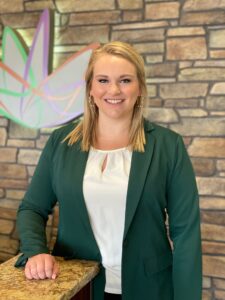
“When I first started, I did switchboard, admissions, and all other office duties,” Nissen shared. “I was hired to do medical transcription for all the doctors and surgeons which was interesting since I didn’t have any medical background or transcription experience. I took typing in high school which consisted of the first semester on a manual typewriter and the second semester electric. I was told to leave blanks on the words I didn’t know, which ended up being a lot. So, I relied on the nurses quite a bit. I would put the tape back in the Dictaphone, run it up to the nurse’s station, and they would tell me what the word was. They later hired a transcriptionist to do that, and I moved into other shifts.”

Since starting her career at Manning General Hospital in the early 70s, Nissen has held a variety of roles and worn several hats throughout the years.

“I have done billing for all insurances, home health care insurance billing, reconciled Medicare, XIX and BC logs for fiscal year end, admissions with scheduling, transcription, and helped with the control center for fire, ambulance, and police when Manning General Hospital had the control center in their business office. We also did rural water and lifeline for a few years,” Nissen recalled. “I liked working with all the departments, but when we moved into our new building in 2014, I wanted to be up front as I enjoy taking care of and talking with our patients. I have known a lot of them for many, many years.”

Throughout her 50+ years at MRHC, Nissen has seen healthcare change and evolve before her eyes. She recalls that the installation of their first computer system was one of the biggest advancements at the hospital during her career.

“I think that was in the middle 80s, and we have probably gone through at least four or five different systems since then throughout my time at the hospital,” Nissen said. “With the upcoming changes for the new computer system and after working for 51 years, I decided it was time to retire.”

As Nissen looks forward to retirement, she reflects on all the relationships she has built with all the people she has met through MRHC.

“I have had a lot of memorable moments throughout the years. All my supervisors have been great, and I have been through it all with several personnel, weddings, graduations, deaths, and many laughs over the years,” Nissen shared.

“Linnet is the epitome of dedication having worked a majority of her life at MRHC,” said MRHC CEO, Linn Block, RN, BSN, MHA. “She will be missed by so many of our patients and staff and leaves a legacy of kindness, compassion, and empathy for all those she encounters. We wish her health, happiness, and fun in her retirement.”

It’s no surprise that after 51 years, Nissen has grown close to many patients, employees, and providers and finds retirement somewhat bittersweet.

“I think my longevity with working at MRHC has to do with the people and patients and the fact that I really didn’t want to travel to go to work. I raised my three children from the age of three months until they all graduated from high school while working here,” Nissen shared. “I feel I will leave a lot of my heart and soul at MRHC because they have also been a family to me. I will truly miss the patients, families, and employees who have made my job so complete and fulfilling. This isn’t goodbye, it is see you all later. Thanks for the memories…”

To join the MRHC team, visit www.mrhcia.com/careers or call (712) 655-2072 for more information on current job openings.